
 Dive Industry Network Series
Create Your Own Support Network
By Gene Muchanski, Executive Director,
Dive Industry Association, Inc.
In February 2024 we introduced an article entitled Create Your Own Circle of Influence. In the article we explained how important this skill is to grow your business in the recreational diving industry. As you become more experienced and successful as a Dive Industry Professional, more people will look to you for advice and leadership in all aspects of the diving industry. To grow from that point on, you will need to expand your circle of influence to include vendors and suppliers who produce the programs, products, and services you have influence with. Creating your own network of vendors and suppliers will help you grow as a Dive Industry Business Professional and increase your level of influence in the Global Diving Community.
Creating a network of Dive Industry Professionals that you know and respect can increase the quality and quantity of advice and expertise you can share with divers across the globe. The secret ingredient is to start networking with the people and vendors you do business with in your supply chain. This strategy is not restricted to diving influencers only. It applies to all Dive Industry Professionals and diving businesses from all stakeholder groups in the industry. Networking within your supply chain works because all the players in your supply chain have a vested interest in working together. Another advantage of working within a network is that your customers feel more comfortable doing business with a team of people that are catering to their needs, instead of just one single person or business.

Divi Flamingo Beach Resort Bonaire – Light & Motion Repair Technicians.
An Example of How Networking Works: A few years back I was planning a trip to Bonaire and decided to take my underwater video equipment which included a Light & Motion housing. Packed in my Save A Dive Kit were basic tools and extra O-rings for normal maintenance, but nothing beyond that. During our trip I had a problem with changing a dome lens on the housing but was delighted to find out that Divi Flamingo Bonaire just happened to have two Light & Motion technical repair people on board. What seemed impossible for me to fix took these techs about 10 minutes to correct and I was good to go. They saved my dives and my vacation. Thank You. It made me think about how important an integrated support system is to divers who are traveling far away from home. I looked back on some of the support networks I had been a part of in my diving career, and I realized that having a support network is something that needs to be planned, executed, and maintained over time. It is not something that happens automatically and it takes a certain degree of commitment and strategic planning to create.
When Dive Industry Professionals first start diving away from home, they are faced with a number of dive planning scenarios. Their level of planning and preparedness will depend on whether they are traveling by themselves, with a buddy, or with a group. It will also depend on whether they are a casual traveling diver or if they are the person in charge of the group. A big factor in adventure travel planning is the distance away from home and the remoteness of the diving destination. A factor that many new divers fail to take into consideration is the amount of equipment supply support that is available at their destination. To the detriment of the Global Diving Community, many dive equipment manufacturers, dive resorts, dive operators, and dive travel specialists still have not addressed this issue.
Some dive planning scenarios call for self sufficiency with an expectancy that little to no supply support will be available on the trip. Other strategies call for working with destinations where equipment and maintenance services are more readily available. This article will focus on the benefits of building a supply support network for your company, your brand, your dealers, and their customers.
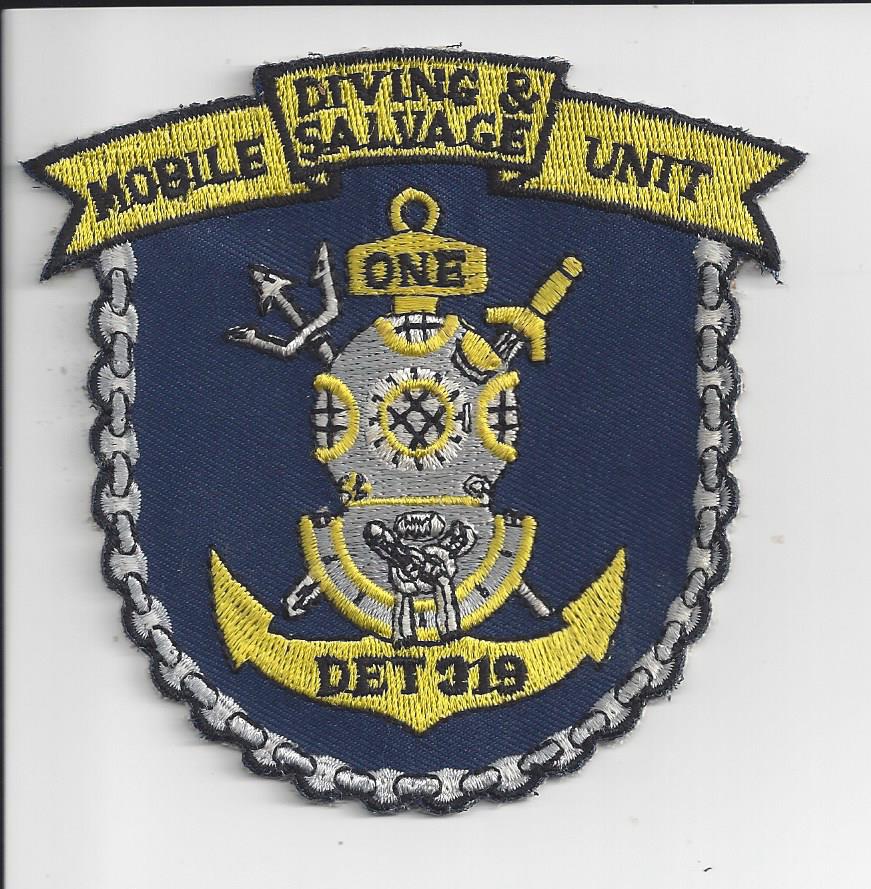 As a Navy Diving Supervisor traveling around the South Pacific with U.S. Navy Mobile Diving and Salvage Unit One, I learned how to pack our dive gear and fly-away boxes for any and all possible contingencies when traveling to isolated island locations. On a mission to Palau we loaded 12 sea-land containers filled with dive gear, gas compressors, a hyperbaric chamber, small boats, engines, tools, and spare parts. Even with all that gear we had to plan for contingencies and prepare for using emergency repair facilities that were closest to our operation, should we have the need. Having a support network is one thing. Knowing where it is and how to access it is another.
Over the past 57 years as an active diver and instructor, I have seen good and bad examples of companies who created, tried to create, or failed to create functioning supply support networks. In my opinion, two dive companies in particular (individuals actually) did an outstanding job in building an integrated supply support network. The participants in these networks were more like Team Players than independent diving professionals.
In the 1970’s Fred Calhoun was the NAUI Branch Manager in the Northeast Territory of the United States. Fred created a network of Instructors and dive businesses that included Instructors, Course Directors, Dive Stores, Dive Boat Operators, and even Dive Equipment Manufacturers who had a NAUI connection. I would venture to say that Fred Calhoun was the major diving influencer in New England at the time and was able to capture and maintain the dominant market share for the company he and his team represented. I credit Fred’s success to the fact that he actively built, maintained, and controlled an integrated supply support network for the Local Dive Community and the industry he worked in.
A second supply support network that I admire most was the one created by Dick Bonin from Scubapro. Dick may have learned his networking strategies as a Navy Lieutenant and Team Member of the U.S. Navy’s Underwater Demolition Team. When I was a Scubapro Dealer in the 1980’s I experienced an integrated, unified approach to dealer supply support. It started with Scubapro’s manufacturing, shipping, and repair facility in Compton. Everything under one roof. They had an organized and select Dealer Network. Their Sales Reps were in constant touch with their Regional Dealer Networks. It was very common in the day to attend regional and national meetings with your Scubapro Team, whether it was at a regional dive show, national trade show, at the Scubapro factory, or on a local dive boat with the Scubapro Dive Team. Remember the steak sandwiches at the Scubapro Repair Seminar luncheons? Those were the days!
So, a lot has changed in the last 30 years. The branches are gone and so are the Branch Managers. With many companies, even the Regional Managers are a thing of the past. Dive equipment companies are entering the U.S. market and yet they don’t have a warehouse or maintenance and warranty repair facility in the states. There are fewer Dealer Networks and certainly none that operate as a Team. When Retail Dealers are traveling the Caribbean, they are looking in vain to find dive resorts and dive operators with the same certification agency, the same equipment vendor, and any maintenance and repair support for the gear they are using. But don’t worry. Creating your own network can help your business flourish.
Growing our businesses in a controlled manner should be our underlining strategy. I could speak volumes on the advantages of controlled growth, as opposed to uncontrolled growth. Business growth is only good if it is planned for and monitored during the growth phase. Profitable growth that builds the entire company is what we are looking for in the long run. Uncontrolled growth can lead to higher expenses, lower profits per sale, and missed opportunities and sales in other aspects of our company. Let’s look at a few ways that we can grow our market share and profitability by using an integrated supply support network.
Using the NAUI example above, the recreational diving industry performs more efficiently when local diving communities are managed by regional managers. The branch system has worked in the past and there was a reason for that. Local businesses have local needs that only local support can provide. Local support is best provided by local managers. If the diving industry does not succeed on a local basis, it is a mote point to think about an integrated support network. There won’t be any businesses to support. However, if your company succeeds in their local diving community, then they will need a supply support network when they travel outside of their local community.
In the example about Scubapro, I explained how successful Dick Bonin’s strategy was in the United States. Well, how about developing that same strategy in the Caribbean? Around the world? In all fairness to Scubapro, dive travel was not a big thing in the 1980’s. It is now. If I was still a Scubapro Dealer I would want to see Scubapro rental equipment at the dive resorts I took my groups to. I would want to see Scubapro Repair Technicians on staff with the dive operators and I would expect to see a good selection of repair parts and tools on hand. Should any of my group lose or break a piece of equipment, I would hope the dive resort or the dive operator would have at least a small selection of Scubapro equipment for sale. In other words, I would want my dive resorts and my dive operators to be on the Scubapro Dealer Network with me.
Creating a supply support network is important to the traveling Dive Industry Professional because they want support for the programs, products, and services they use. However, it is only important for the equipment manufacturers, dive resorts, liveaboards, dive operators and destination Instructors if they get bookings, referrals, and business from the traveling divers who want on-site support. Why would a dive business bring on Scubapro Repair Reps, Scubapro rental equipment, and Scubapro merchandise if you never get any Scubapro Dealer business or referrals? To be clear, a supply support network is a two-way process. It has to be beneficial to both parties.
Building your own network makes your job as a Dive Industry Professional easier. I know it is a difficult thing to do by yourself. I also realize that it is really the job of the Equipment Manufacturers and Training Agencies to build their Networks so that more Dive Industry Professionals “speak their language.” But until your vendors build a supply support network for you, you can start by contacting the dive resorts and dive operators you do business with and ask them about their certification agency affiliations and about the dive equipment they rent, sell, and repair. You may be the reason your resort or dive operator finally adds an equipment line or another certification agency.
As a Marketing Professional I would start by asking the people you currently do business with, if they are capable of supporting the lines you carry. If they do, they are in your network and you have a home. If they don’t currently support your lines, you can remind them that the issue is important to you and ask them to consider it. You can also contact your vendors and ask them to reach out to the resorts and dive operators on your behalf. You all have something to gain by working with each other.
For more information on future developing your own supply support network, contact Gene Muchanski, Executive Director, Dive Industry Association, Inc., 2294 Botanica Circle, West Melbourne, FL. Phone 321-914-3778. Email: gene@diveindustry.net web: www.diveindustry.net
# # #

 Dive Industry Association, Inc.