
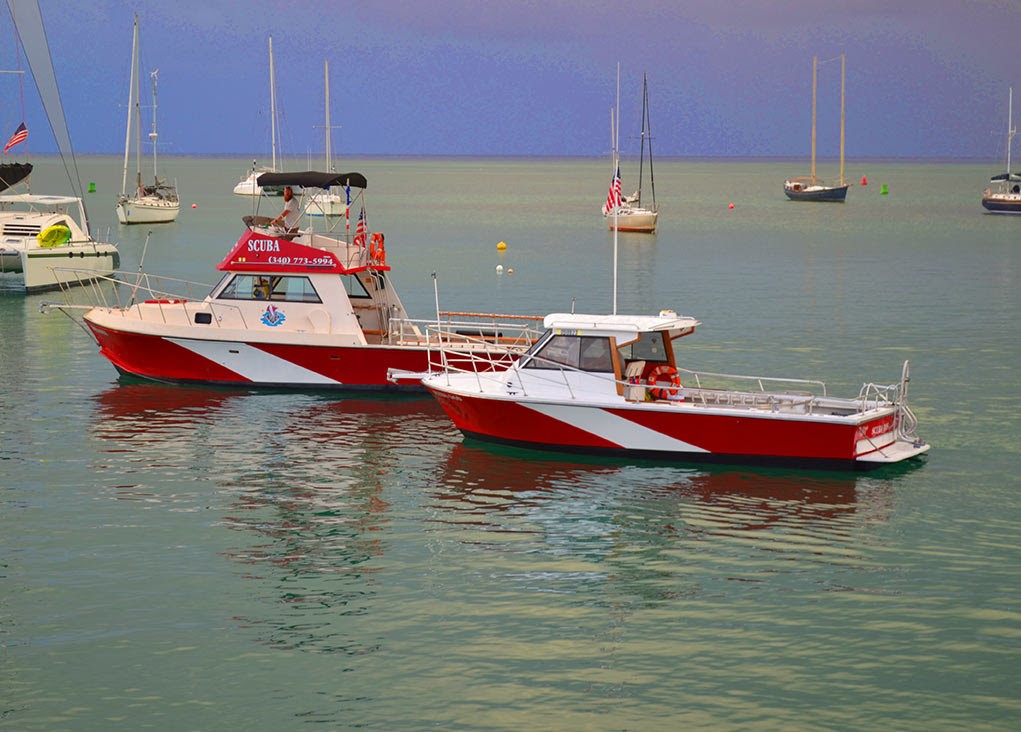
ST CROIX ULTIMATE BLUEWATER ADVENTURES IS OPEN FOR BUSINESS
October 23, 2024 – Public Service announcement from Dive Industry Association, Inc. www.diveindustry.net
 Support the 2024 Winter Lionfish Throw Down
The Team at ZooKeeper (www.lionfishzk.com) is reaching out for your consideration to provide reporting/coverage of the 2024 Winter Lionfish Throw Down. As we all know, the Lionfish invasion poses a significant threat to our marine ecosystems throughout the Atlantic Ocean, the Gulf of Mexico, and the Caribbean Sea. The invasion is continuing to spread to South America and now into the Mediterranean. This event is meant to continue the ongoing efforts to mitigate their impact!
The tournament’s purpose is to promote Lionfish hunting in Florida waters throughout the winter months until the largest lionfish derby, the Emerald Coast Open Pre-Tournament, begins in February. After the Florida Fish & Wildlife Commission’s (FWC) Summer Challenge ends on Labor Day, the focus on culling Lionfish declines, and our goal is to keep the hunting momentum through the end of the year.
This tournament is sponsored/supported by many of the ZooKeeper partners: FWC, REEF, DAN (Dive Alert Network), and the Emerald Coast Open. Many other sponsors are Florida dive shops, Florida dive operators, dive equipment suppliers and other companies who care about protecting our Oceans!!
The Throw Down will run from October 14, 2024 – to December 31, 2024. Tournament details: https://lionfishzk.com/dive-club/derbies/2024-winter-lionfish-throw-down/
We sincerely look forward to gaining your support in bringing awareness to the lionfish invasion and our efforts to fight to protect our ecosystems. Thank you for your time and consideration.
We hope to hear from you either way. Our reef fishes thank you along with our Team.
Share your experience with the ZooKeeper Team https://g.page/r/CVPtXwMbDtEREAg/review
Patricia Mauldin
The LZK Group, LLC.
www.LionfishZK.com
Office: 954.302.2429
The future of Lionfish ends with ZooKeeper! #SlayEatRepeat
# # #

FOR IMMEDIATE RELEASE
Surf-fur Launches Pro-Ambassador Program for SCUBA Divers
San Diego, CA – October 11, 2024 – Surf-fur, a leader in high-performance outerwear for watersports enthusiasts, is thrilled to announce the launch of its Pro-Ambassador Program, designed specifically for SCUBA divers who tackle cold water conditions to pursue their underwater passions. Surf-fur’s versatile gear, crafted for ultimate warmth and protection, ensures divers can perform at their best in any environment—from tropical reefs to Arctic waters.
The Pro-Ambassador Program calls on professional SCUBA divers to join a community of like-minded adventurers, offering them exclusive perks and opportunities to represent Surf-fur in the global diving community.
Program Highlights:
Brand Representation
Pro-Ambassadors will represent Surf-fur on and off the water, showcasing the brand’s cutting-edge gear designed for cold, wet, windy or tropical conditions. From pre-dive prep to the in-between rewarm to post-dive protection, ambassadors will highlight how Surf-fur products enhance every dive experience, inspiring fellow divers to explore without limits.
Product Promotion
Ambassadors will wear and promote Surf-fur’s high-performance gear during dive expeditions and water activities. Through social media, blogs, and videos, they’ll share firsthand experiences, showing how Surf-fur gear delivers unparalleled warmth and protection in any environment.
Content Creation
Pro-Ambassadors will contribute captivating content, including stories, photos, and videos, showcasing their underwater adventures and how Surf-fur gear plays a vital role in staying comfortable during extreme dives. Their content will help inspire the diving community to embrace new challenges and explore beyond their comfort zones.
Exclusive Discounts
Pro-Ambassadors will enjoy exclusive access to discounted signature products. As part of the program, they can purchase the iconic Waterparka for just $99 and our ‘daily driver,’ the SurfCheck Hoodie for $70 (for personal use). Both garments offer all-weather protection, ensuring warmth and comfort in even the harshest dive conditions.
Stay Active and Engaged
Ambassadors are encouraged to share their SCUBA adventures on social media, featuring Surf-fur gear in action. Whether battling freezing temperatures or surfacing from a challenging dive, ambassadors will highlight how Surf-fur keeps them warm, dry, and ready for the next dive.
About Surf-fur:
Surf-fur is a family-owned and operated business dedicated to creating high-quality, durable gear for watersports enthusiasts. Whether you’re diving, surfing, boating, or fishing, Surf-fur’s all-weather outerwear is designed to protect against the harshest elements, keeping adventurers warm, dry, and prepared to achieve their goals.
“Pursuit is not changing who you are, but disregarding who you are not”- and you will not be cold and uncomfortable in our gear!
For more information on joining the Surf-fur Pro-Ambassador Program, visit https://www.surf-fur.com or follow us on Instagram @surffur. Eligibility requirements apply.
Media Contact:
Cynthia Issel
CWO- Chief Warming Officer
cindy@surf-fur.com
www.surf-fur.com
# # #
 It’s All About Time
by Gene Muchanski, Editor
The Dive Industry Professional
Time is an equal opportunity element. Everyone gets 24 hours each day. No more. No less. We have to use every hour given to us because we can’t save it. You can spend it wisely or waste if foolishly. The choice is up to you. Time is a gift. That’s why they call it the Present.
Time is also relevant. One year to a one-year-old is a lifetime. It’s equal to 100% of the time they have spent on earth. A year goes by so slow for children. However, one year for someone who is 100 years old is only 1 % of their lifetime. That’s why time goes by more quickly for older people.
In Marketing 101 we learned that timing is everything. I wished I had given that simple phrase the respect it deserves when I was younger. Timing is a tool and a powerful one at that. When you realize that we are the Masters of Time and not its Whipping Boy, you understand that we have the most powerful tool at our disposal to accomplish wonderful things, for ourselves, our families, our business, and our community.
As a master of time, we can use our present-day moments to live a productive life. That goes for our personal life and our business life as well. Creating positive moments in the present time can affect our past, present, and future. We may not be able to predict the future, but we can create a more positive future by the decisions we make and the actions we take today. As far as the past is concerned, we may not be able to change the past once it is in place, but we can create a more pleasurable past also by the decisions we make and the actions we take today. So in effect, we can create the past, present, and future by what we do today.
The Dive Industry Association has been Building a Better Industry, One Member at a Time for over 23 years now. As Industry Planners and Business Advisors, we have helped dive businesses gain market share and increase sales as a result of being aware of business opportunities their competitors didn’t realize. A lot of that has to do with timing. Of course, success in the recreational diving industry has a lot to do with understanding the flow of goods and services through the supply and demand chains, or what we call the industry’s channel of distribution. When you understand the market and its components, positioning your company to be in the right place at the right time is critical to your success.
The recreational diving industry is getting ready for their annual trade show in November. Over 500 exhibitors will be introducing their programs, products, and services to prospective buyers. Based on over 40 years of exhibiting and attending experience at shows & events, I can safely predict that some exhibitors have done zero planning for the show. They will just show up and hope for the best. The vast majority will be prepared for a hopefully successful show. They will have their booth, show samples, catalogs, dealer price sheets, and marketing materials ready to go. Many will have surveyed their current, former, and future customers to see if they will be attending the show and will have made every attempt to schedule an appointment with the ones who will be attending. A few will take it to the next level by focusing on the 2025 season and not calling the show an end-of-the-year event. Forward thinking businesses will have their 2025 catalogs on display. For them, and us, this annual trade show is all about next year, not the past year.
Exhibitors who come to a trade show prepared for a positive show experience are more likely to succeed than those who don’t. But if you really want to be in the upper percentile of successful dive businesses you have to realize that the 2025 Season started on September 1, 2024. Our association has written extensively about the Global Diving Business Network and its seasonality curve that many of the top diving companies subscribe to. To many of them, a trade show is more than a four-day event. It is part of an annual process. Trade shows actually have pre-show, at-show, and post-show segments to them. It’s about the timing, as we have been talking about.
While the 2024 diving season was well underway, the suppliers of diving equipment, training, travel, and lifestyle products were busy getting ready for the 2025 season. Although product management professionals across the industry are working year-round on developing new products, they usually have a deadline of mid-august to have their new lines ready for an August sales meeting. That means, if everything goes well, their sales reps can be on the road with their new samples by September 1, or right after Labor Day. I guarantee that their catalogs and dealer price lists won’t say 2024 on the front covers. Professionals believe in the WHAT’S NOW, WHAT’S NEW, WHAT’S NEXT concept. Their marketing materials will be labeled 2025.
The primary reason for a September Season introduction is to fill the retail pipeline with new products for the biggest buying season of the year – Christmas & Holiday Shopping. This allows the retail sector to conduct end of year sales for 2024 products while they promote and sell WHATS NEW for the coming year. Of course, you and I both know that it’s all about getting a jump on our competition. With sales orders locked up for the coming year, vendors and their dealers can now focus on the social aspects of the upcoming trade show in two months, instead of major orders. Granted, most buyers who ordered in September will still need to look around for fill in orders and any new items that catch their eye.
Following a September New Season Launch, Industry Planners will suggest that we all focus on a pre-show, at-show, and post-show trade show campaign. It’s really one campaign with three parts, not three separate campaigns. Proper timing will dictate when each phase begins and ends. There we go with that timing thing again! With a good trade show campaign, different parts of your company can be working on different tasks and assignments in the three phases, but the planned outcomes and task assignments will all go into one document, in its proper order.
It seems that in the recreational diving industry we have a time and a season for everything we do. It all starts with a good plan, filled in with details about planned outcomes we hope to achieve, and the timing and tasks it takes to achieve them. With a good written plan that is based on the ebb and flow of the industry, it is easy to see errors and omissions in our planning process. Tweaking an imperfect plan to give you better results is better than having no plan at all.
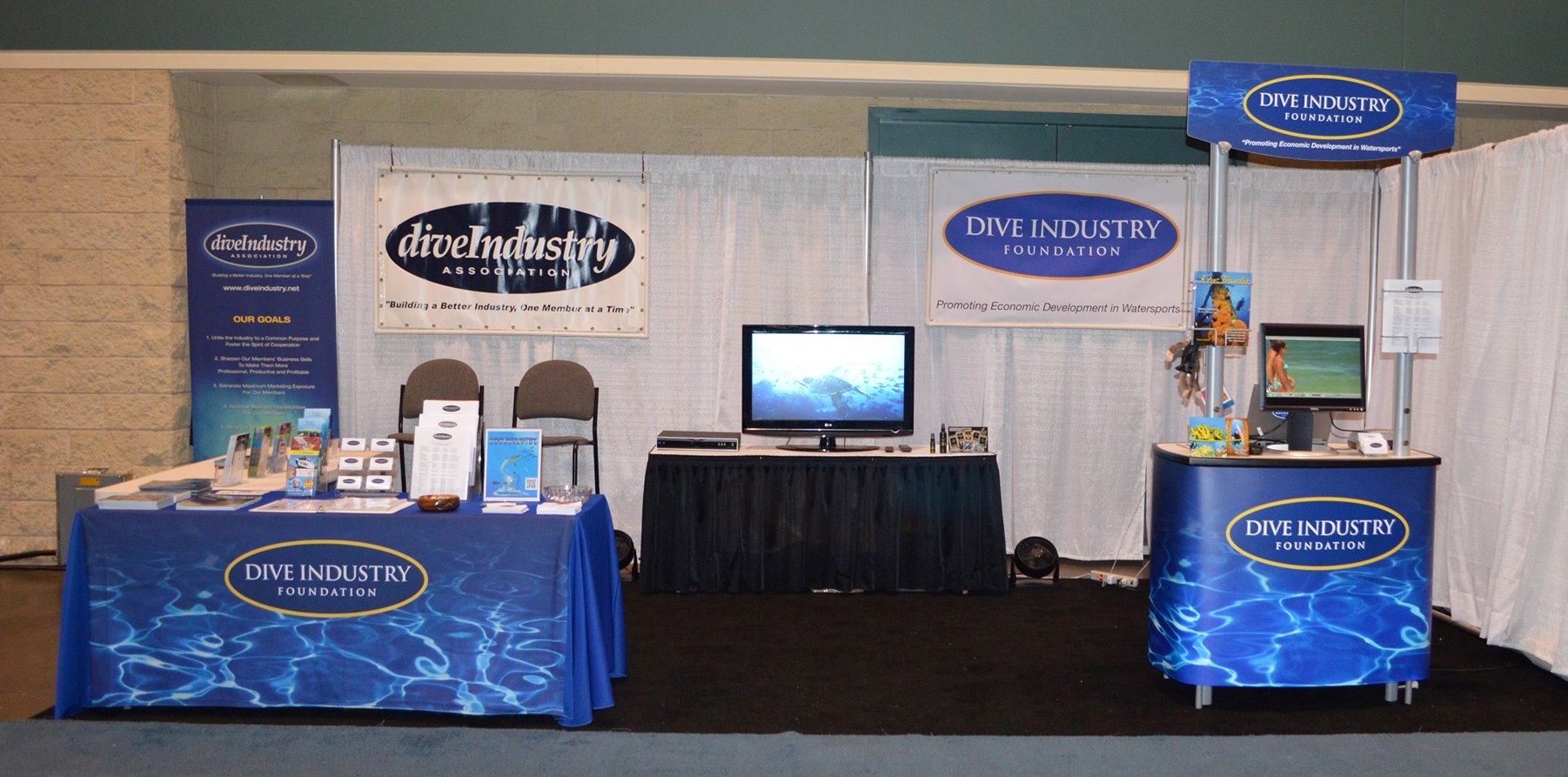 I hope to see you at the Dive Industry Foundation Booth # 2050 in November. I’ll be there with Jennifer King, co-founder of the Women Divers Hall of Fame, and Makayla Wheeler, Founder, Creative Director and Video Producer at MGW Productions. Stop by, introduce yourself, and pick up a link to our 2025 Dive Industry Trade Directory & Buyers Guide.
For more information about the Global Diving Business Network, contact Gene Muchanski, Executive Director of the Dive Industry Association, 2294 Botanica Circle, West Melbourne, FL 32904. Phone: 321-914-3778. Email: gene@diveindustry.net Web: www.diveindustry.net
# # #
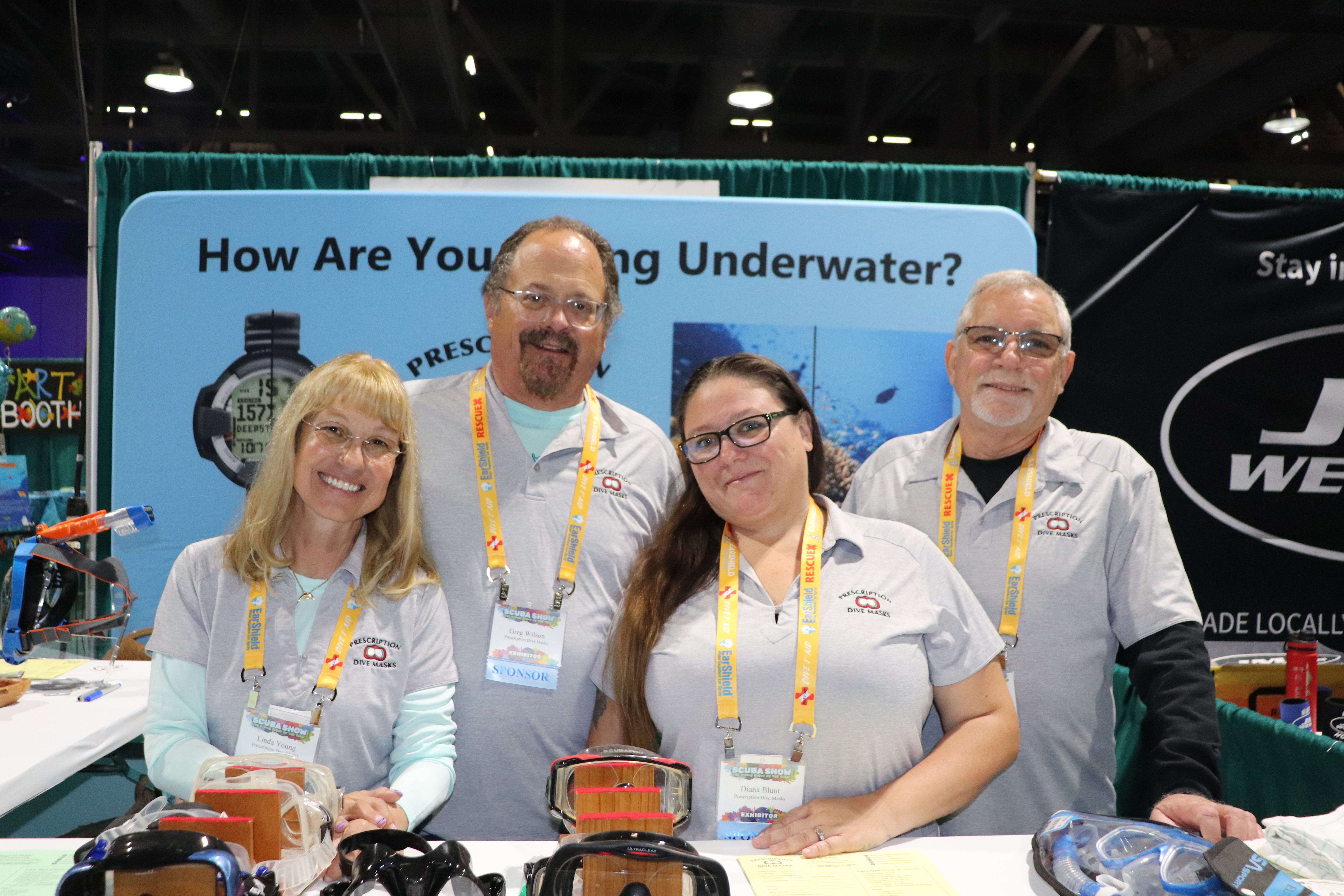 Prescription Dive Masks: Clear Vision for Every Dive
When you explore the underwater world, having crystal-clear vision is key to fully experiencing its beauty. At Prescription Dive Masks, we specialize in custom-made prescriptions for dive masks, allowing you to see the vibrant colors, intricate details, and extraordinary marine life with the same clarity as you would on land. Whether you’re an experienced diver or a beginner, at prescription dive masks we ensure that poor eyesight never holds you back from an unforgettable underwater adventure.
Who We Are
Prescription Dive Masks is a trusted leader in the dive mask prescription industry, committed to enhancing your underwater experience through advanced optics and expert craftsmanship. We understand that each diver has unique visual needs, and our mission is to provide tailor-made solutions that make your dive more enjoyable, comfortable, and safe.
Our team of optical experts and dive enthusiasts work closely to ensure that every prescription mask is designed with precision, comfort, and durability. From snorkeling in shallow reefs to deep-sea dives, our masks are built to perform under various underwater conditions, so you never miss a moment of underwater magic.
What We Offer
At Prescription Dive Masks, we offer a wide array of options to meet every diver’s specific vision requirement. No matter what your prescription, we can create a mask that will improve your underwater vision and elevate your diving experience.
 Custom Prescription Lenses
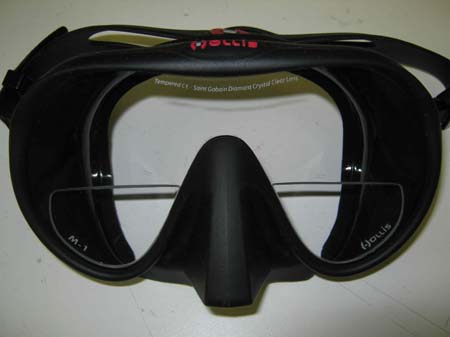
Our primary service is crafting custom prescription lenses for dive masks, swim goggles and ski goggles. Whether you are near-sighted, far-sighted, or require bifocals, we can create lenses that correct your vision so you can see clearly at any depth or on the slopes.
Single Vision Lenses: For divers or snorkelers who are either near-sighted or far-sighted, our single-vision lenses ensure sharp focus underwater.
Single vision See-under: These lenses are for people that take their glasses off to read.
Bifocal Lenses: For divers who need both distance and close-up vision correction, we offer bifocals. This allows you to easily switch focus between reading gauges and observing distant sea life. We offer 2 sizes of bifocals, 28mm wide for gauges and push and shoot camera work and the bifocal 35mm wide for customers who want a larger reading area for cameras, macro or reading slates.
Astigmatism Correction: We also cater to divers with astigmatism (cyl) by creating custom lenses that balance vision across the entire lens.
Prism Correction: We can do any amount of Prism
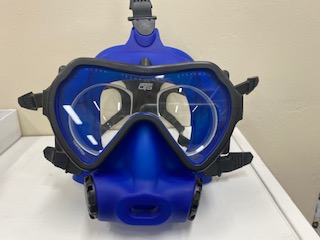 We can also do full face masks that have inserts for the optics, for instance some OTS masks or Ocean reef masks. We make these lenses in polycarbonate. We can do Single vision or bifocals. We have the inserts in stock.
In addition to our prescription lenses, we offer a wide range of high-quality dive masks. Our masks are sourced from trusted brands and come in various styles, ensuring a perfect fit for any face shape.
Why Choose Prescription Dive Masks?
Prescription Dive Masks is more than just a dive mask provider – we are a team of dedicated professionals who prioritize your vision and comfort. We take pride in delivering personalized service and top-tier products. We are all divers.
Experience the Underwater World Like Never Before
At Prescription Dive Masks, we believe that every diver or snorkeler deserves to experience the underwater world in perfect clarity. With our custom-made prescription dive masks, you’ll be able to explore the ocean’s depths without the limitations of blurry vision. From vibrant coral reefs to mysterious shipwrecks, the sights beneath the sea are meant to be enjoyed to the fullest—and we’re here to make sure your vision is up to the task.
Ready to dive in? Visit our website today to explore our products and services or contact our friendly team for personalized assistance in choosing the perfect prescription dive mask.
Thank you for trusting Prescription Dive Masks to enhance your underwater adventures!
Contact: Linda Young
Phone: 800-538-2878
www.prescriptiondivemasks.com
# # #
 FOR IMMEDIATE RELEASE
OCG Creative to Attend 2024 DEMA Show in Las Vegas
Join Us at Booth 6143 to Explore Exclusive Marketing Solutions for the Scuba Diving Industry
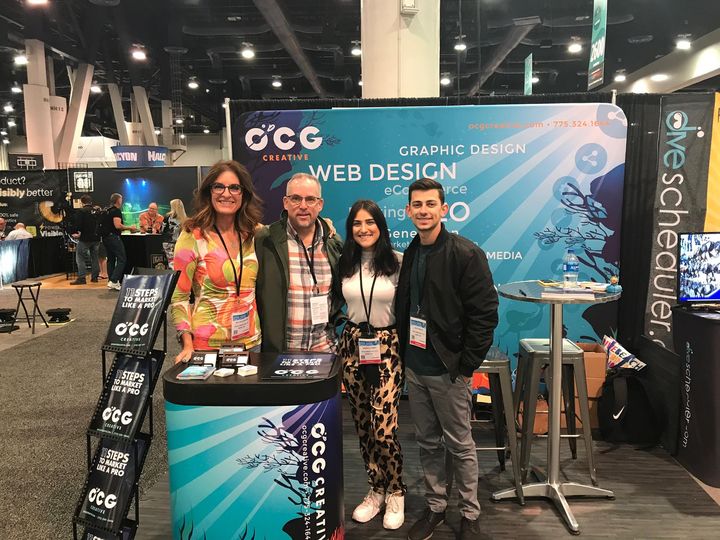
Reno, NV — October 11, 2024 — OCG Creative, a leader in digital marketing solutions, is thrilled to announce its participation in the 2024 DEMA Show, taking place November 19-22 at the Las Vegas Convention Center. This premier trade show for diving, action water sports, and travel professionals provides an exciting platform for OCG Creative to showcase its industry-specific digital marketing packages, designed to support businesses of all sizes.
Attendees are invited to stop by booth 6143 to learn more about OCG Creative’s specialized marketing services, ranging from website development and search engine optimization to targeted advertising and content marketing. The team will be available to discuss how these services can help businesses in the scuba diving industry enhance their online presence, attract new customers, and achieve measurable growth.
“We’re passionate about working with businesses in the scuba diving industry and are excited to be part of the DEMA Show again,” said Jill Rutherford, Vice President at OCG Creative. “We understand the unique needs of this market and have developed a suite of services and packages that accommodate a range of budgets. We’re looking forward to connecting with attendees and helping them take their digital marketing to the next level.”
Celebrating their 9th appearance at DEMA, OCG Creative will be offering exclusive show specials on their marketing packages, available only to attendees who visit the booth. This is a unique opportunity for businesses to receive professional marketing support at a discounted rate.
For more information on OCG Creative’s offerings or to schedule a meeting at the show, visit ocgcreative.com or contact us at jill@ocgcreative.com
About OCG Creative
OCG Creative is a full-service digital marketing agency based in Reno, NV, specializing in creating impactful digital experiences for clients across a range of industries. With a focus on data-driven strategies and personalized service, OCG Creative helps businesses grow through innovative marketing solutions and industry expertise.
Media Contact:
Jill Rutherford
Vice President, OCG Creative
Phone: [(775) 843-2215
Email: Jill@ocgcreative.com
Website: ocgcreative.com
###
 Catch up with Your Buddies on Bonaire at DEMA 2024.
Visit Your Buddies at the DEMA Show Las Vegas from November 19 – 22, 2024! Buddy Dive Directors Barbara, Steffie, and Paul, and Dive Operations Manager Martin, will be in booth 8051 to tell you about what is new at Buddy Dive Resort, our great group facilities, and of course the DEMA Special!
We can’t wait to inspire you for your next dive trip, give advice on how to prepare for your trip to Bonaire and tell you about what highlights, above and below water, you should not miss when visiting Bonaire.
This is also a great opportunity for you to benefit from Buddy Dive’s fantastic DEMA Special (including an 8=7 group deal)!
Come and see us at DEMA in booth #8051. We can’t wait to see you there!
About Buddy Dive Resort
Buddy Dive Resort, Bonaire’s leading dive hotel is known for its personable staff, spacious accommodations and a dive operation that has something for every diver. Today, the full-service resort consists of 7 modern buildings, housing spacious studios, one, two- and three-bedroom apartments, a full-service dive center, an activity desk, two swimming pools, two restaurants, pool bar, vehicle rentals, and the famous drive-thru air and Nitrox fill station. Built with active people in mind, Buddy Dive Resort knows exactly what is needed to make guests comfortable during their busy day of diving, exploring, and relaxing at the resort. Over the last few years, Buddy Dive Resort was recognized as one of the World’s Best Dive Resorts & Operations in Scuba Diving magazine’s Reader’s Choice Awards.
For more information visit www.buddydive.com.
For PR inquiries or other PR-related questions, please contact marketing@sapiasbv.nl
# # #
 DIVE LOCAL™ – A Community Effort
Building a Local Diving Community
Message to Local Divers
By Gene Muchanski, Executive Director,
Dive Industry Association, Inc.
Stay Active
The best way to build a thriving global diving community is to show people how they can become active scuba divers and enjoy a great recreation for a lifetime.
Four Steps to Becoming an Active Scuba Diver:
Developing a pathway for divers to remain active in the recreational diving community may be the most significant achievement of the 21st century for our industry. In preparing for this article, I looked at ways the industry used in the past to keep people interested in pursuing scuba diving as an ongoing recreation. We will explore some of the concepts that worked, some that did not, and some of the shortcomings the industry relied on to grow the industry but failed. We will also look at some new, innovative ways that could add a spark to our industry and get things moving again.
Been There – Done That: If you follow the first three ways of creating divers in our industry, you may think that learning to dive, buying your gear, and going diving is all that is needed to create a diving community that is excited about scuba diving and will continue to be active. I bet you are even surprised to know that even after a positive experience with scuba diving, many divers are saying, “I learned to dive, bought my gear, and went diving. Now what?”
Not more of the same: The focus of this series is to create reasons for divers to stay active in the diving community once they have learned to dive, bought their gear, and gone diving. In the past three articles we have created a pathway for people to get to this point. I believe the industry has come to a stalemate once a person becomes certified. A common misconception to create active divers is to do more of the same. As Dive Industry Professionals we cannot simply recommend that certified divers need to take more diving courses, buy more gear, and go on more diving trips to remain active. Although we all know that continuing education helps, buying dive specific equipment for a trip helps, and experiencing a wider range of liveaboards and resorts is a good thing, it is not a sustainable solution to diver inactivity. We need a more permanent solution.
Promoting the Scuba Diving Lifestyle: Living in the State of Florida, I see the economic impact of watersports lifestyles like boating, fishing, and surfing. The lifestyles associated with these three watersports are impressive. The economic impact it has on the local economy is incredible. The bottom-line benefit of these lifestyles is that they keep their participants active in their recreation. The recreational diving industry can learn a lot from our fellow watersport recreations. We are in need of a paradigm shift in the way we look at, manage, and promote our industry. Creating a scuba diving lifestyle is a broad approach to enjoying the fact that we are scuba divers every day without having to get wet seven days a week. There are plenty of other things to keep us in touch with the excitement of diving and adventure travel. All we have to do is look for them. That is the whole purpose of this article. Let’s explore some of things we can do as an industry to keep our global diving community’s interest in diving at peak levels.
DIVE LOCAL: After becoming a certified diver, the best way to keep your interest in diving is to become a part of your local diving community. You’ll meet other divers, just like you, who are actively participating in this great recreation of ours. The Dive Industry Association, along with it’s non-profit organization, The Dive Industry Foundation, has created a website called DIVE LOCAL, where divers can learn all about the diving industry and locate a professional diving adventure store, a dive club, a dive boat, or a diving Instructor in their own local diving community or worldwide. The website has a Shows & Events calendar for the current year. Our purpose is to build an Information & Resource Center that the Global Diving Community can use to find verified sources of diving equipment, dive training, local diving, adventure dive travel, diving and diving related non-profit organizations, and merchants of diving lifestyle products. Our efforts will always be a work-in-progress but our mission is to be the Number 1 go-to source for everything diving and diving related.
Editor’s Note: As we offer suggestions to create ways to keep divers active, we will skip the past history of some of these ideas and stick with some 21st century ways that may have a direct impact on retaining divers in our global community. So, let’s look at some ways that will help divers stay active.
Join a Dive Club: Dive Clubs can and should be the focal point of every Local Diving Community. A successful club should include all types of diving such as sport diving, tech diving, freediving, spearfishing, mermaiding, and the like. As a global community, recreational diving is a big tent. Let’s recruit divers of all kinds. All divers have something in common and can splinter off into smaller specialty groups if necessary. Dive Clubs should be a way for divers to socialize with each other and network with others who have both similar and dissimilar interests. The social calendar of dive clubs should be what attracts divers to join a club and keep their membership active. When dive clubs were first started in the United States, they were formed to network with other divers to learn about the advances in diving equipment, dive training, and local diving. Information was not as readily available as it is today. In the 21st century we can get all of the information we need about the global diving industry from the internet, but there is no guarantee that the information we see on the internet is current or reliable. Networking with other divers gives us an opportunity to hear their personal diving experiences first-hand. So, that means we have to redesign or re-imagine what a successful dive club looks like. Believe me, that is not going to be a simple task.
Modern day dive clubs are formed for different reasons. Some clubs are started to sell more diving equipment, dive training, local dive boat trips, and fly-to dive trips. Some clubs are started for the socialization aspects. It is best to check with the club’s leadership to see where their equipment, training, and travel priorities are, before joining.
Regardless of who the founders are, the administrative aspects of a dive club should be set up as a business. Specifically, as a Members Association. An attorney can guide you through the proper incorporation process. The club should have an elected Board of Directors and committee volunteers. A detailed charter document will state all of the rules, regulations, and procedures for the club so there are no misunderstandings about member benefits. As a diving business involved in the acquisition and service of members, it should have a permanent address and contact information that does not change with each new club president. Dive Clubs should have their own website and social media accounts to showcase their activities and to attract new members. If managed correctly, a dive club can have a very positive impact on a local diving community. It won’t be easy to start and operate but if it is successful, it will be well worth the time and effort expended.
 Join DAN: The Divers Alert Network is your Dive Safety Association. DAN promotes diver safety, operates a 24/7 Emergency Hotline, conducts dive medical research, and collaborates with industry experts to establish best practices for safe operations. They are involved in medical, safety, research and insurance. Membership in DAN will keep you current with DAN’s medical assistance services available to divers, their safety services, research, education, and training. Their quarterly magazine, Alert Diver, is by far the best in the industry. The 100+ page magazine normally includes topics in medical research, safety, and training, plus diving equipment, dive training, dive travel, and underwater photography. Join DAN Today by checking out their website.
Subscribe to Print Dive Magazines: There are still a few print magazines in the diving industry. As we mentioned above, Alert Diver from DAN is our all-time favorite. We also subscribe to and recommend Scuba Diving, the official publication of PADI Club.
 On-Line Magazines: Online magazines have become very popular in the industry. They are relatively inexpensive to produce compared to print magazines, because they can publish without the expense of printing and postage. Obtaining quality content is a major challenge for online magazines. It is very expensive to hire staff writers and photographers to travel the globe to write articles of interest about diving equipment, dive training, dive travel, and environmental issues. The constant challenge of acquiring paid subscribers and paid advertisers to cover their cost of obtaining quality content is overwhelming. As a trade association we are constantly researching current online magazines for their potential in reaching a large enough audience in the recreational diving industry to justify their efforts. Our own monthly online magazine, The Dive Industry Professional was created to keep divers in touch with important aspects of the recreational diving industry such as diving equipment, dive training, dive travel, environmental and non-profit organizations, and scuba diving lifestyle products and services. For the certified diver in all of us, we include our Shows & Events column and articles about diving and dive destinations worldwide. Subscription if FREE to all divers through our Constant Contact Safe Subscribe opt-in. Free Subscription
 Participate in Regional Dive Shows: Regional dive shows were established to give local diving communities something to do during the off season and prepare divers for the next upcoming season. Exhibitors and speakers from around the world would travel to local diving community events like Boston Sea Rovers, Beneath the Sea, Sea Space, Our World Underwater, Ocean Fest, and Scuba Show, to show them the latest developments in diving equipment, dive training, dive travel, and adventure diving techniques. Alas, trade and consumer dive shows are not what they used to be. Many, almost all, have come to an end. For the past 50 years I’ve seen the rise and fall of too many shows and events, nationwide. With that said, There is still nothing that compares to a face-to-face event like a Regional or National Dive Show. The benefits to the local diving community and the global diving industry can be tremendous. More than just something to do during the off-season, regional and national shows and events are a gathering place for the local and global diving communities. Regional shows attract exhibitors, speakers, and sponsors from all across the globe. Regional shows appeal to divers and non-divers alike, depending on how the show is set up. Nowhere else can an attendee experience the latest diving equipment, dive training, dive travel, non-profit organizations, and diving lifestyle products, all in one place at one short period of time.
A well-planned regional dive show will showcase the type of diving that is popular in the local diving community where the show is being held and also cover dive destinations outside of the local area. A good example was Our World Underwater in Chicago. The show drew a worldwide audience that wanted to learn all about diving in the Great Lakes, also known as the freshwater wreck diving capital of the world. At the same time, exhibitors and speakers from around the world would exhibit or speak at Our World Underwater to educate and entertain divers from the North Central United States, about the different types of diving from across the globe.
Walking around the exhibit hall looking at the latest in diving equipment and seeing some of the best diving destinations in the world can be the highlight of a diver’s year. Sitting in on some of the seminars that are typically given during a dive show or film show is what charges our “diving batteries.” I still remember some of the great seminars I’ve attended in the past 50 years. But what brings it all together, in my opinion, are the social aspects of being at a regional or national dive show or event. Diving is a social activity. Without the show parties, hospitality suites, and meet the speakers and exhibitors opportunities, dive shows and events are just not the same. I can testify that some show producers and exhibitors have stopped the parties because they can be expensive. If you think that show parties are just non-revenue generating activities, you’ve missed the whole point of what makes a dive show popular. It’s called the cost of doing business and maybe it’s the reason you don’t have any business.
Regional dive shows should have a diversified line-up of seminar speakers and topics. Attendees pay to see seminar presentations from local and nationally acclaimed speakers. Seminar topics should be diversified, both in content and geographical origin. Adventure travel and specialty diving seminars are always popular with the audiences. Environmental films and marine career presentations have always drawn large crowds. There are so many new things to learn from listening to speakers from around the world and it is a special incentive to attend film shows and events if the attendees have an opportunity to meet the speakers in a social setting.
Workshops are popular at regional dive shows because they give local attendees an opportunity to participate in hands-on events with an industry expert or influencer. Regional workshops attract a larger audience from a larger geographical area and make it very cost effective for the presenter to conduct, and for the attendees to participate. Workshops have been successfully conducted before, during, and immediately after a major regional event.
The three remaining regional diving shows in the U.S. are Boston Sea Rovers, Beneath the Sea and Scuba Show. The Dive Industry Association publishes a Shows & Events calendar on their website, in a monthly trade magazine; The Dive Industry Professional, and in their Annual Trade Directory.
 Volunteer with a Diving-Related Non-Profit Organization: There are many excellent diving and diving related non-profit organizations that are looking for volunteer help. Some are looking for specific talents like marketing, media, or graphic arts skills but most are just looking for volunteer manpower. Whether it’s helping with a beach clean-up or restoring a damaged coral reef, lending a hand to an environmental organization is a great way to stay active in your local diving community. If using scuba diving as a physical therapy tool is more to your liking, fine organizations like Diveheart would love to train you to be a dive buddy for someone with a physical challenge.
Start a Hobby: The best way to stay active in diving is to have a reason to go diving. Many divers have discovered photography as a great way to enhance their diving experience, giving them more reasons to go diving again, and giving them something to follow up on after each dive. The study of photography often leads to other things that may be part of the diving experience, something diving related, or even have nothing to do with diving. When you become passionate about a particular hobby, your passion often finds new ways to express itself. I felt the same way after I started doing underwater video filming. I first discovered a new reason to go diving and then I found myself wanting to not only film underwater, but on the surface, and from the air. As video film makers already know, shooting video is only the first step to a very engaging hobby.
There are many diving and diving related activities and hobbies that will keep you actively engaged in the diving community. Wreck diving, cave diving, technical diving, and metal detecting are all captivating aspects of the diving experience. Within all of these specialties, there are three ways to enjoy them and share your experiences with others. The first one, of course, is to become a Mavin, or an authority, in the specialty of your choice. Just keep getting better at what you do, for your own enjoyment. The second way is to write about your experiences or photograph or video tape them for publication. Believe me, there is a gigantic need for quality content of this type in the diving industry. The third way is to become a certified instructor in your specialty and teach others to do what you do.
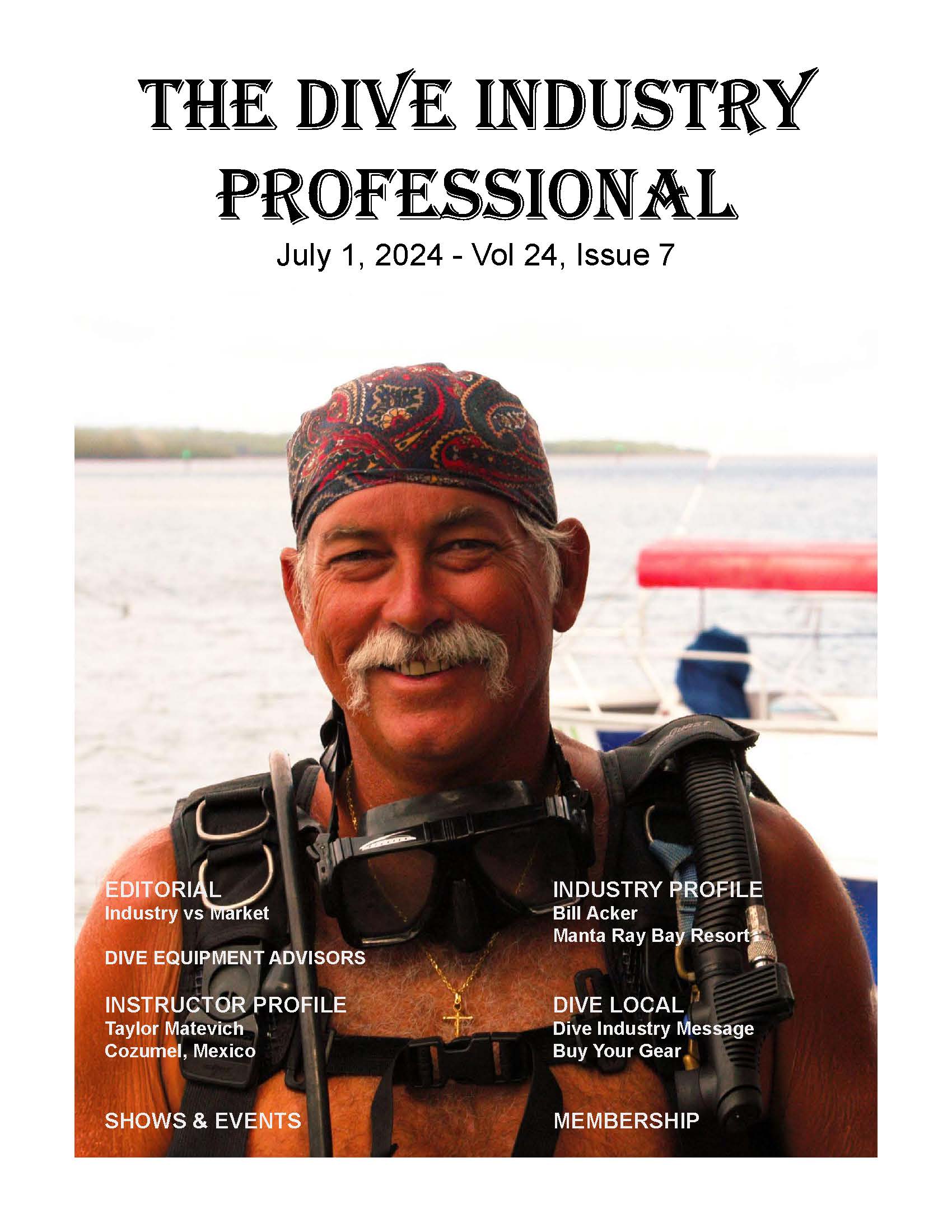 Become a Dive Industry Professional: A Dive Industry Professional is someone who works in their hobby, now called their profession, on a full-time or part-time basis. It doesn’t matter if you get paid to work or not. As someone who is now working in the trade you will have an opportunity to stay active. There are pluses and minuses to being a Dive Industry Professional as opposed to being a non-leadership, certified diver. Certain jobs or responsibilities require that you become certified as a Divemaster or Instructor. That will require more training and a requirement to pay annual dues and purchase liability insurance. To keep Dive Industry Professionals active in the global diving community and the global diving business network, our association has published a white paper about staying active in the trade, in 12 progressive steps.
Summary: Creating an active diver in the global diving community should be the Purpose of those working in the Global Diving Business Network. It should be our Mission to encourage people to 1) Learn to Dive 2) Buy their Gear 3) Go Diving and 4) Stay Active. The diving industry lacks sustainable growth because we have not focused on acquiring new divers to fill the pipeline, once a certified diver has reached the “stay active” phase. Instead, many in the industry focus on what we call “after market products and services” because a certified diver has already been created. The downfall to this strategy is that sellers of diving equipment, training, and travel, have a tendency to frequently over-sell the certified diver market instead of creating new divers.
Becoming an active diver is an ongoing process that all divers can look forward to. It is up to the Global Diving Business Network to create a sustainable pathway to make that possible. Check with your marketing department to create and implement a customer acquisition and diver retention strategy for your company.
For more information on becoming a Member of our Global Diving Business Network, contact Gene Muchanski, Executive Director, Dive Industry Association, Inc., 2294 Botanica Circle, West Melbourne, FL. Phone 321-914-3778. Email: gene@diveindustry.net web: www.diveindustry.net
# # #
Margo Peyton (Kids Sea Camp & Family Dive Adventures)
1 of 4 To Be Inducted into the International Scuba Diving Hall of Fame

The Board of Directors of the International Scuba Diving Hall of Fame (ISDHF) and the Cayman Islands Ministry and Department of Tourism are pleased to announce the four new members who will be inducted into the prestigious ISDHF Hall of Fame.
Established by the Cayman Islands Ministry of Tourism in 2000, the ISDHF celebrates dive industry leaders who have contributed to the success of recreational scuba diving worldwide through innovation and advancements made in the areas of dive tourism, equipment design, dive safety, inclusivity, exploration, adventure, innovation and more.
This year’s inductees are a global cohort spanning North America, Latin America, Asia, and Europe who were chosen for their unique and lasting contributions to the industry. This year’s inductees will join a host of distinguished industry pioneers and professionals including Jacques Yves Cousteau (2000), Jean Michel Cousteau (2003); Bob Soto (2020) and Tom Ingraham (2020) and will be formally inducted into the hall of fame at a ceremony in the Cayman Islands on 28 September 2024.
The following individuals have been selected for inclusion this year:
Margo Peyton (United States)
A pioneer in the family dive training and travel market, Margo continues to be a leader in this field. As the owner and founder of Family Dive Adventures & Kids Sea Camp and (501c) Ocean Wishes, Peyton’s efforts to connect and educate families through diving around the world have done much to help grow the industry. Her mission is to help families to disconnect from their virtual worlds and reconnect with each other through diving and travel. Margo’s programs have certified over 8,000 children, including special needs kids. Margo Peyton is now a 3-time Hall of Fame inductee. The Women Diver Hall of Fame in 2009, The DEMA Hall of Fame Reaching Out Award in 2019, and on September 28th, 2024, the International Scuba Diving Hall of Fame.
Peyton served as on the board of The Family Travel Association’s (FTA) board of advisors and was initially the sole representative for the diving industry. She was awarded their First Person of the Year award. Margo is a PADI Ambassador and served on the PADI Youth Advisory Committee. She is recognized as an industry expert on youth diver education and training.
Claudio Guardabassi (Brazil)
Claudio grew up on Brazil’s coast near São Paulo and started SCUBA diving at the age of 16. He became a diving instructor at an early age teaching scuba diving using the YMCA curriculum and facilities as one of the first professional diving schools in São Paulo. In 1971 he opened the Claumar Dive Center, which is now over half a century old, and is one of the oldest dive centers in South America.
In 1988 he launched Projeto Acqua in Brazil, a pioneering multi-sports space that included facilities for scuba diving, swimming, triathlon training, and sports fitness. Projeto Acqua hosted the first PADI instructor training course and the facility became Brazil’s first PADI 5 Star Instructor Development Course.
Today, the seeds of Mr. Guardabassi’s early vision have matured into a multifaceted Brazilian diving industry and many senior industry stakeholders in Brazil can attribute their careers to the work started by Mr. Guardabassi 53 years ago.
John Thet (Singapore)
Since 1993 John has been responsible for developing a number of multimedia organizations dedicated to the promotion of safe recreational and scientific scuba diving, and the conservation of the world’s oceans and is the publisher and CEO of the AGM group, publisher of an award-winning magazine that was the official magazine of the PADI Diving Society Asia-Pacific from 2006-2009.
With a firm base in scuba diving and environmental publishing, John became the CEO of Underwater360 (UW360), a company that operated the largest and the longest-running Singapore-based dive trade expo in Asia, Asia Dive Expo (ADEX). Using his regional and international connections, Thet pursued his vision of expanding ADEX to encompass all the major diving regions of Asia, and launched ADEX diving expositions in China, India, Hong Kong, Philippines, and Indonesia. His ADEX programs have been endorsed by industry stakeholders such as DEMA, the Singapore Tourism Board (STB) and the Chinese Underwater Association (CUA).
John is internationally recognized as a highly ethical businessman with a global vision for safe and environmentally sound scuba diving. His publications have exhibited the beauties of our underwater world while advocating the highest environmental standards. His pioneering ADEX dive shows have become the gathering points for the international diving industry to meet millions of divers in countries where underwater tourism is in its infancy.
Eric Sala (Spain)
Eric Sala is a former professor at Scripps Institution of Oceanography and now a full-time conservationist as a National Geographic Explorer-in-Residence and since 2008 he has led the Pristine Seas Initiative – a project focused on exploring, documenting, and protecting the last ‘wild’ places in the oceans.
Using a combination of expeditions, science, media and policy analysis, the Pristine Seas team has helped to inspire the protection of 22 marine protected areas covering more than 5.7 million square kilometers of ocean. Pristine Seas is a small team of less than thirty people based in Washington, DC and other sites around the world. The team has conducted 31 expeditions, published more than 90 scientific papers in peer-reviewed scientific journals, and produced 28 documentary films.
Sala’s research not only shows the human impacts in the ocean, but it also shows how marine ecosystems can recover and develops practical solutions to improve the health of our oceans.
About the International Scuba Diving Hall of Fame
The International Scuba Diving Hall of Fame was founded in 2000 by the Ministry of Tourism of the Cayman Islands. Since the Cayman Islands is a leading pioneer in dive travel and is a premiere world destination for divers, it seemed only natural that the Cayman Islands should be home to a hall of fame honoring those people who have contributed the most to the sport of Scuba diving.
The mission of the International Scuba Diving Hall of Fame is to honour those people who have helped to make the sport of Scuba diving possible, safer, more popular, and more enjoyable. The annual induction ceremony takes place in the Cayman Islands every year during the annual induction ceremony. To learn more visit visitcaymanislands.com/isdhf
About the Cayman Islands
The Cayman Islands features some of the world’s best diving excursions, with each of the three islands offering different diving adventures for all skill levels. Having received countless awards for Best Overall Dive Destination in the Caribbean and Atlantic, the Cayman Islands is also home to the International Scuba Diving Hall of Fame, recognizing diving industry pioneers since its inception in 2000. The destination is also renowned for its calm clear waters, which offer superb visibility for snorkeling and other underwater experiences.
Located 480 miles south of Miami in the vibrant western Caribbean, this trio of tiny islands is a premier destination for discriminating travelers, divers, honeymooners and families. World renowned for its idyllic beaches and recognized as a sophisticated, diverse and memorable tourist destination, the Cayman Islands offers spectacular recreational opportunities along with warm, impeccable service. To learn more about the Cayman Islands, please go to visitcaymanIslands.com or www.divecayman.ky or call your local travel agent.
# # #
Using a Professional Business Advisor
by Gene Muchanski, Editor
The Dive Industry Professional
Running a business is all about doing the things that need to be done to sell enough profitable products to enough profitable customers to turn a profit. Succeeding in business is all about doing what is needed when it is needed. Too often in business we get bogged down in doing repetitive tasks that we know how to do or because we are good at doing them. We tried something once and it worked so we do it again and again, hoping it will bring us the same results or better. That’s called being in a rut.
Many businesses in the global diving business community are small businesses run by independent entrepreneurs who have a talent, skill, or desire to be in the recreational diving industry. It all starts with Dive Industry Professionals who take their hobby and turn it into a small business, not only because of their passion, but because there are very little “barriers to entry” in the business. It is relatively easy to start your own business in the United States. If fact, it’s so easy that one may get the impression that anyone can do it. But take it from someone who has been advising small business owners for over 40 years. Starting your own business should not be your end goal. Staying in business should be the goal you work to accomplish.
At a major university I taught a marketing program called; Do you have what it takes to start a business? It was an introductory course for entrepreneurs who were thinking about starting their own business. We called this course a foundational program because we wanted to set the stage for first time entrepreneurs and explain the pros and cons of business ownership. It was an integrated marketing approach to starting, growing, and succeeding in your own business. The integrated marketing approach worked very well for me and the hundreds of clients I advised, because we were able to present and discuss the big picture of business ownership, broken down into smaller components.
Over the years, I was able to see a common flaw in the old way of looking at business start-ups. I noticed that my clients faced one major obstacle in common, and it was a shortcoming that is almost impossible to detect when it comes to attempting something new for the first time. In my opinion, the major obstacle to a successful business start-up is having a myopic approach to starting a business. This critical error in thinking is usually developed by an over reliance on a single business skill that an entrepreneur has, coupled with their lack of understanding of the other skills that are needed to create a successful business. I used to chuckle when I heard a person explain how they knew they would be successful at starting a business because they had worked for a large company and had experience managing a multi-million-dollar department. Of course, they had people to do all the hard work for them and their company supplied the capital to finance the operation. Most companies that we know in the diving industry don’t have tons of staff working for them and they certainly don’t have unlimited capital to back them up. Entrepreneurs are self-starters and they wear many hats in their business. There is a big difference between asking your Chief Marketing Officer for their annual marketing budget and creating one yourself.
I like to think of a business as a collection of components that are parts of systems and subsystems. Much like an automobile or the human body. Many successful Business Plan templates break down a business into systems, subsystems, and components. It’s a Professional Business Advisor’s job to help their clients understand the complexity of the system as a whole and show them how the individual components integrate with each other. It’s important to know the details of the business components so that you can have a complete understanding of the big picture. That is why we say there is never a single “magic bullet” that will solve your business problems, but a series of little things that you must do correctly to achieve your planned outcomes.
Types of Professional Business Advisors: In the recreational diving industry I can think of a few different specialty professions that you need to have on your team. Not as general consultants or advisors, but as paid professionals on a contractual basis. Degreed and licensed Professionals such as Accountants, Attorneys, and Tax Attorneys are at the top of my list. Degreed Marketing Professionals are next. Specialty Professionals that have skills and abilities that are critical to your business may be graphic artists and social media specialists. While these professionals don’t need to have a degree in their profession or be licensed by a professional board or bar, they do need to have a history of knowledge, training, and experience to do you any good.
Dive Industry Professional Advisors: To be an effective Professional Business Advisor in the recreational diving industry, an advisor must have a broad-based understanding of business operations. The marketing profession addresses the foundational business disciplines needed to run a business quite thoroughly. Marketing Professionals understand the sales and marketing aspects that a business must engage in on a daily basis to be successful. We also are trained in the foundational disciplines that go into creating and operating a business. If you were a race car driver, you would need to know how to drive your car better than anyone else racing against you. But if you had the wrong car that was not up to performing like you needed it to, all your great driving skills would be in vain. So, let’s look at both sides of the business equation that deals with operational planning and the sales and marketing process.
Creating the Ultimate Business Model: Most business managers want to jump to the sales process because that’s where the money comes from. While I admit that sales are the final planned outcome, nothing is going to happen until you create a company that can supply the customer with what they need, when they need it. A company that is in the business of selling a program, product, or service has to be created from the ground up, to create a product that potential customers need, want, and can afford. Before any sales are attempted, we have to build the machine that creates the magic. If your sales are not up to expectations, management needs to bring in an outside Professional Business Advisor to conduct a business audit to see where your strengths, weaknesses, opportunities, and threats are. Once you know where you are, it is much easier to create a plan for where you need to be.
The Sales and Marketing Process: This is the part that most new business entrepreneurs want to focus on first. Sorry. That’s not a good idea. First of all, the marketing part of the process starts first. We all know that great sales are a result of good marketing. Marketing paves the way for sales. Marketing Professionals must demonstrate their knowledge of the products being sold, the customers being sold to, and the marketing vehicles that communicate the sales message to potential buyers. In order to do that, marketing professionals must understand the market. A market is made up of buyers and sellers. A marketplace is where buyers and sellers get together to conduct business. A marketing vehicle is what sellers use to communicate what they are selling, where & when they are selling it, and how a buyer can obtain what the sellers are offering. With a good marketing campaign preceding the sales effort, the customer will be able to consider the purchase of a product they are familiar with and from a company and a salesperson they know and understand.
Contract with a knowledgeable Dive Industry Professional Business Advisor to conduct a business audit for you. You will want to look at both internal and external variables that affect your business. Your internal variables will be how your company is set up to manage the flow of products, finance, vendors, customers, employees. It will also show how effective you are at managing your resources of time, money and manpower. From a product management perspective, you will want to look at the flow of products you sell, from conception to consumption. You will want to focus on customer management aspects of acquisition, retention, and recapture. An analysis of your customer history is a critical data aspect needed for future sales and marketing strategies. An internal marketing audit of the effectiveness and efficiency of your marketing systems and subsystems is always a high priority. These are just a few things a Professional Business Advisor will look at.
External factors that affect your business are usually not considered in finite detail because many businesses think of them as a non-revenue-generating activity. Unfortunately, your understanding of the market you sell to, and your competitive positioning can often mean the difference between success and failure. A Professional Business Advisor can shed some light on your market penetration, market share, and competitive edge. Only when management knows where they are and where they want to go, can they set a course to get there. Having an experienced navigator may be just what you need.
For more information about using a Professional Business Advisor, contact Gene Muchanski, Executive Director of the Dive Industry Association, 2294 Botanica Circle, West Melbourne, FL 32904. Phone: 321-914-3778. Email: gene@diveindustry.net Web: www.diveindustry.net
# # #
 Dive Industry Association, Inc.